The symbioses that build a coral
Research Themes
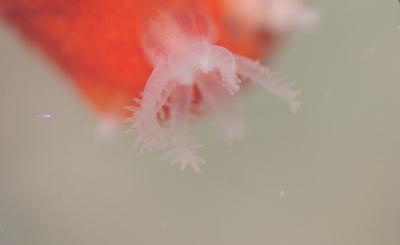
Coral Holobiont
How corals and their symbiotic microbes function as an integrated biological system.
See projects →Microbial Diversity
Global patterns in the distribution of marine eukaryotic and prokaryotic microbes.
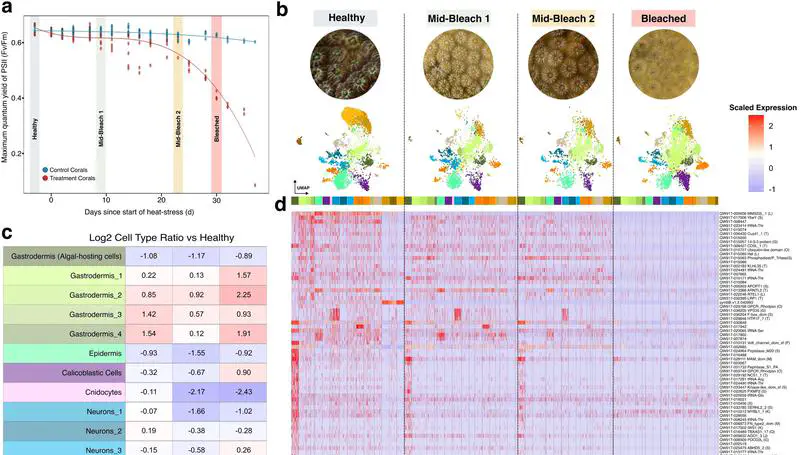
See projects →Climate & Heat Stress
Molecular and ecological responses of coral holobionts to rising ocean temperatures.
See projects →Genomics & Bioinformatics
High-throughput sequencing and computational tools to decode microbial symbiosis.
See projects →News & Events
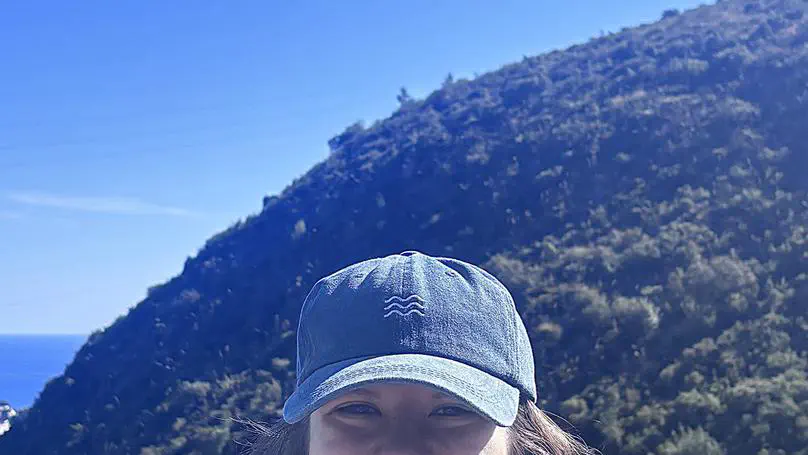
We are very happy to welcome Finja Sygo to the del Campo Lab, where she will carry out her Master’s thesis in bioinformatics. 🪸🦠

Javier del Campo and Adrià Auladell, postdoctoral researcher at the Institut de Biologia Evolutiva, have written a chapter for La veta verda i roja (Manifest Llibres, 2026), a collective book in Catalan in which more than thirty voices from across the Països Catalans lay out the debates needed for an ecosocial transformation. 📗🌍
Networks & Initiatives

DEMON
European research consortium uncovering protist diversity across marine, freshwater, and terrestrial environments using metabarcoding and omics.
Visit website →
MedRecover
Research initiative on the recovery and resilience of Mediterranean marine ecosystems in the face of climate change and tropicalization.
Visit website →
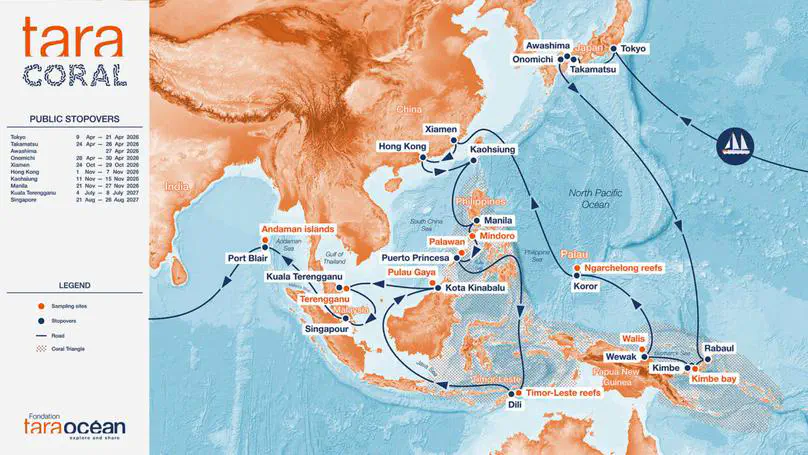
Tara Coral
18-month expedition (2026–2028) through the Coral Triangle aboard the schooner Tara, studying coral resistance to global warming.
Visit website →
Biogenoma
Catalan initiative for the Earth BioGenome Project, building a genomic catalog of eukaryotic biodiversity across Catalan-speaking territories.
Visit website →
PR2 Database
Reference database of 18S rRNA sequences for protist metabarcoding, including PR2, PR2-primers, and metaPR2. Dr. del Campo is a core contributor.
Visit website →