Our Research
Our research at the Institut de Biologia Evolutiva (CSIC – UPF) focuses on the study of host-associated microbes and the effect of global warming on the microbiomes of benthic and planktonic marine animals. We combine a wet lab for experiments with a dry lab for bioinformatics, enabling the broadest possible range of approaches.
The eukaryotic microbiome. The study of micro-eukaryotes associated with animals has largely been restricted to visual identification or molecular targeting of particular groups. High-throughput sequencing has been limited because the 18S rRNA gene — the standard barcode for microeukaryote ecology — is also present in host animals, causing host sequences to dominate the readout. Building on our work on coral-associated microeukaryotes, we have implemented an approach that selectively avoids amplification of metazoan host genes, opening the door to high-throughput study of microeukaryotic communities in a myriad of environments, from the coral surface to the human gut.
Effects of ocean warming on marine animal microbiomes. Ongoing climate change has strong impacts on free-living marine microbial communities, but the effects of global warming on host-associated microbiomes remain poorly understood. Microbiomes have strong influences on host evolution, physiology, and ecology. We study how environmental changes resulting from global warming affect the composition and function of microbiomes in key members of the marine fauna — currently focusing on corals, teleost fish, and zooplankton — and how these changes feed back onto the host.
Current Projects
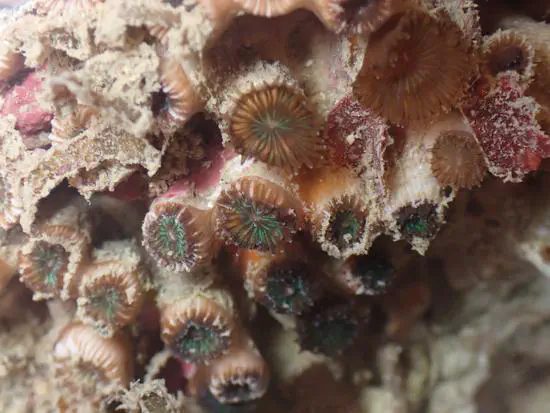
Reference genomes for biodiversity and evolution
Generating chromosome-scale reference genomes across the eukaryotic tree of life — from protists to corals to fish — to study biodiversity and evolution, as part of the Earth BioGenome Project and its Catalan (CBP) and European (ERGA) nodes.
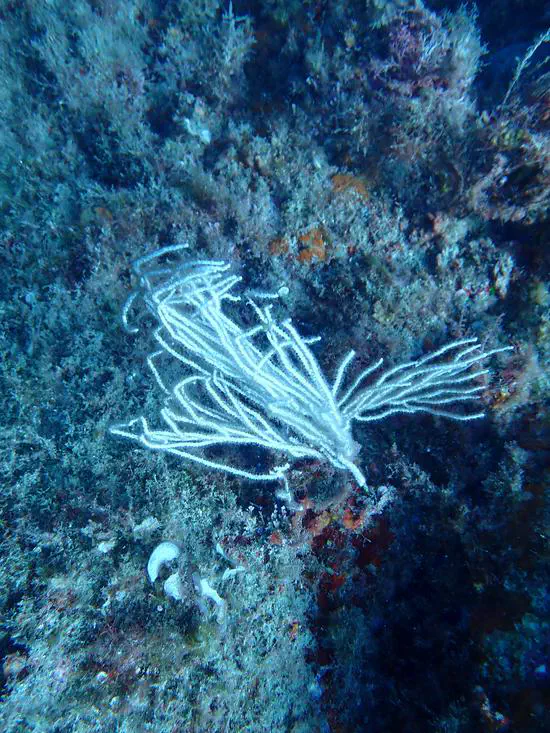
The coral holobiont multiomics across space, time, and disease
Studying the coral holobiont as an integrated system — pairing microbiome metabarcoding with host transcriptomics to read how host and microbes vary across space within a colony, across the diel cycle, and across the shift from health to disease.
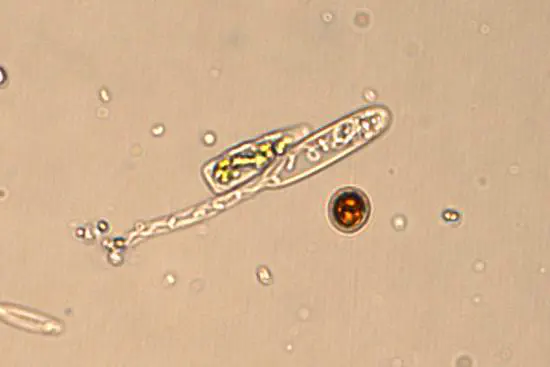
A transcriptomic cell-atlas of reef coral bleaching
Using single-cell transcriptomics to understand the heat stress response of reef coral holobionts.
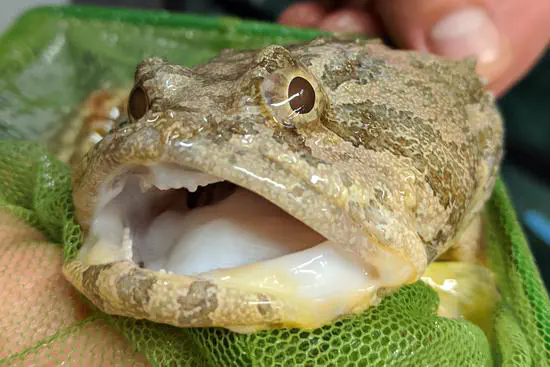
Marine animal microbiomes
Exploring the prokaryotic and microeukaryotic communities associated with marine animals — the Gulf Toadfish, the California Sea Hare, and Mediterranean bryozoans.
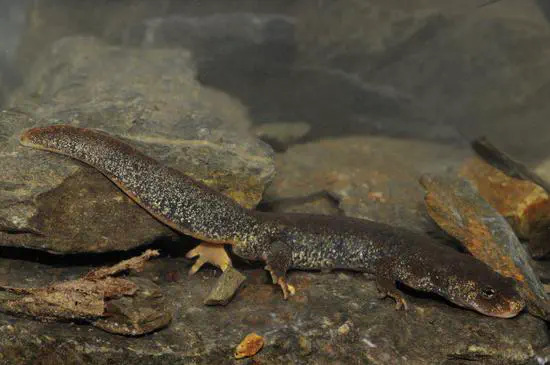
The Montseny Brook Newt microbiome
Identifying and isolating probiotic bacteria to protect the critically endangered Montseny Brook Newt against chytridiomycosis.
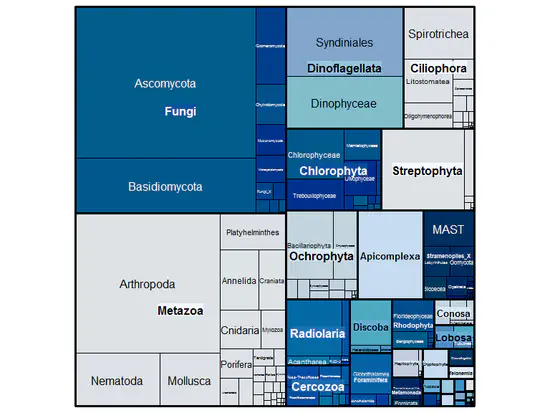
Reference databases for microeukaryote metabarcoding
Building and curating the reference databases — PR2, EukRef, eKOI and more — that turn microeukaryote metabarcoding reads into named, placed, and ecologically meaningful taxa.