A new and widespread group of fish apicomplexan parasites
Abstract
Apicomplexans are obligate intracellular parasites that have evolved from a free-living, phototrophic ancestor. They have been reported from marine environmental samples in high numbers,1 with several clades of apicomplexan-related lineages (ARLs) having been described from environmental sequencing data (16S rRNA gene metabarcoding).2 The most notable of these are the corallicolids (previously ARL-V), which possess chlorophyll-biosynthesis genes in their relic chloroplast (apicoplast) and are geographically widespread and abundant symbionts of anthozoans.3 Corallicolids are related to the Eimeriorina, a suborder of apicomplexan coccidians that include other notable members such as Toxoplasma gondii.4Ophioblennius macclurei, the redlip blenny, along with other tropical reef fishes, is known to be infected by Haemogregarina-like and Haemohormidium-like parasites5 supposedly belonging to the Adeleorina; however, phylogenetics shows that these parasites are instead related to the Eimeriorina.6,7 Hybrid genomic sequencing of apicomplexan-infected O. macclurei blood recovered the entire rRNA operon of this apicomplexan parasite along with the complete mitochondrion and apicoplast genomes. Phylogenetic analyses using this new genomic information consistently place these fish-infecting apicomplexans, hereby informally named ichthyocolids, sister to the corallicolids within Coccidia. The apicoplast genome did not contain chlorophyll biosynthesis genes, providing evidence for another independent loss of this pathway within Apicomplexa. Based on the 16S rRNA gene found in the apicoplast, this group corresponds to the previously described ARL-VI. Screening of fish microbiome studies using the plastid 16S rRNA gene shows these parasites to be geographically and taxonomically widespread in fish species across the globe with implications for commercial fisheries and oceanic food webs.
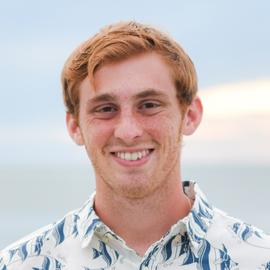
Anthony Bonacolta
PhD Student · Now Postdoctoral Fellow at The University of British Columbia
My PhD research focused on understanding the roles of micro-eukaryotes and bacteria in marine organisms, including the coral holobiont during bleaching from a single-cell perspective.
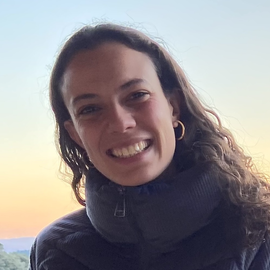
Joana Krause-Massaguer
PhD Student
My research consists on using genetic and molecular biology tools coupled with imaging to study the protists symbionts of Mediterranean corals.
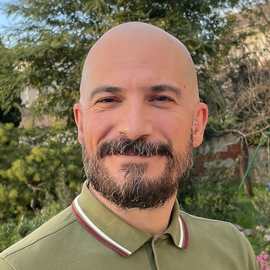
Javier del Campo
Group Leader
My research aims at understanding the global diversity and distribution of eukaryotic and prokaryotic microbes employing curated phylogenetic frameworks focusing on novel environmental taxa.